Policy may be written in offices, but its consequences show up in kitchens, clinics, pharmacies, churches, and community rooms.
When HIV programs change, the first question should not be, “How will the system adjust?” It should be, “What will this mean for the people who depend on it?”
That is why listening to the community is not a courtesy. It is a public health responsibility.
What Florida Taught Us
I have been honored to serve in Florida alongside Tammy Cuyler, Founder and CEO of Empower HIV Health, and Shawn Tinsley, Founder and Executive Director of HIV Possible
Together, we traveled across Florida for the 45 Minutes to Save Ourselves Town Hall Tour, listening to people with HIV, advocates, providers, faith leaders, elected officials, and community partners.
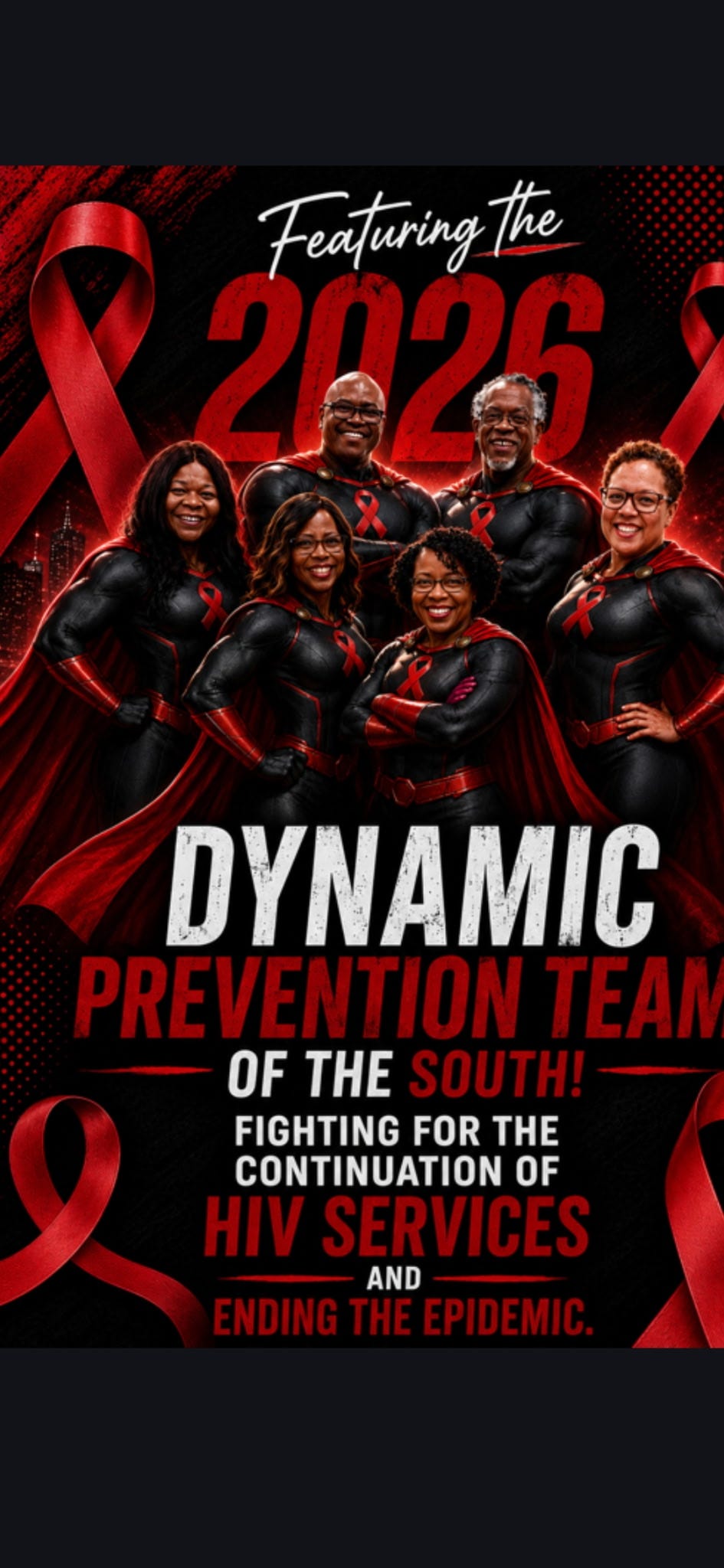
The tour was launched amid significant changes to Florida’s AIDS Drug Assistance Program. Florida has since expanded direct medication assistance to eligible uninsured residents at or below 400% of the federal poverty level and restored two commonly used medications to its formulary. However, the state has not restored health-insurance premium assistance. That means some people may receive HIV medication while still struggling to afford primary care, laboratory services, mental health care, and treatment for other health conditions.
Two lessons from Florida must remain with us:
ADAP must be understood as A pathway not THE only pathway. Communities need insurance navigation, patient-assistance programs, Ryan White services, trusted providers, pharmacies, and Black-led community navigators.
Warm handoffs are life-saving infrastructure. A referral is not successful because someone received a telephone number. It is successful when that person reaches care, receives medication, and knows what happens next.
What Georgia Told Us
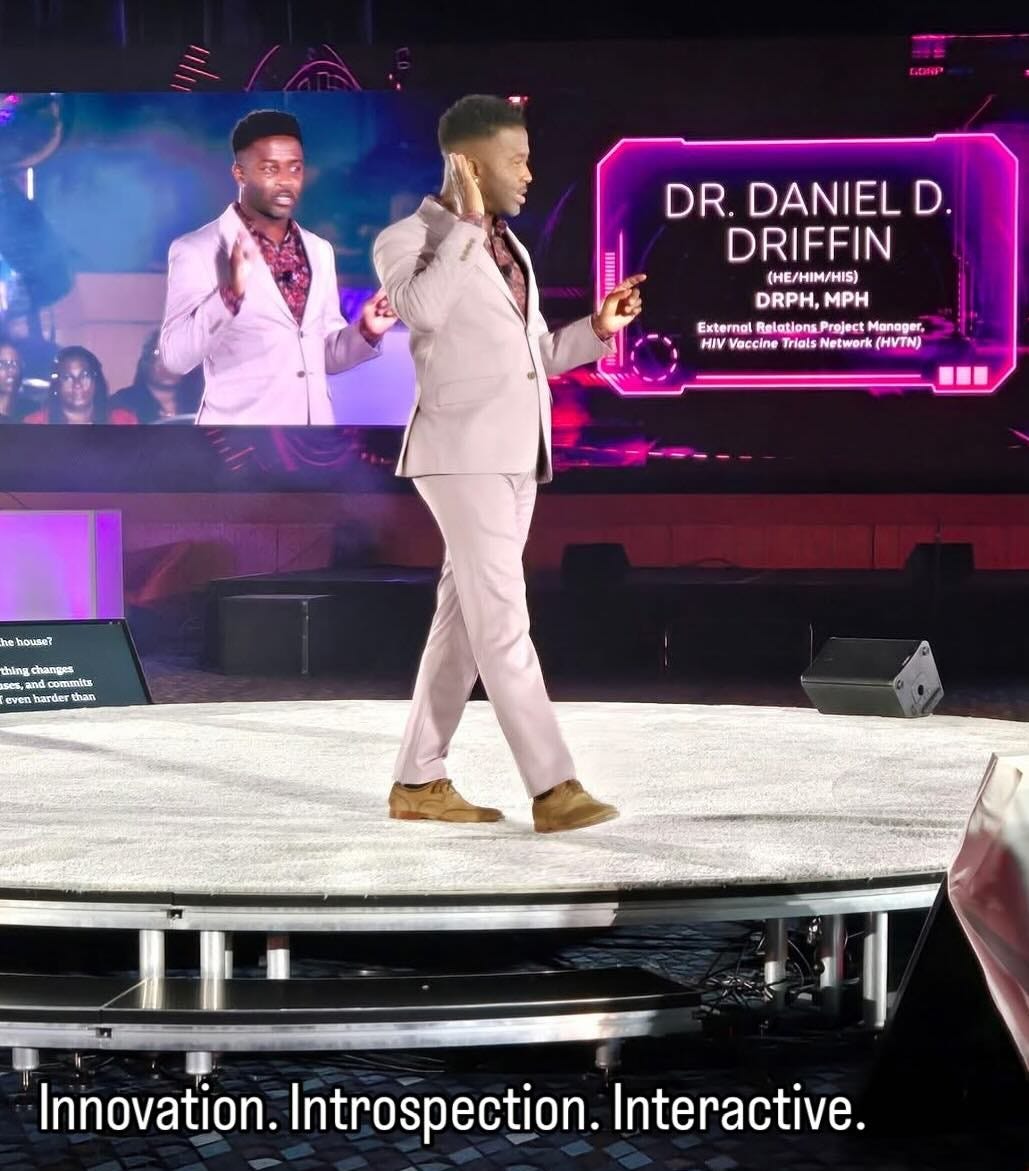
In Georgia, I have been honored to conduct community listening sessions with Daniel Driffin, DrPH, MPH, my co-founder at the Public Health Innovation Lab.
Our previous sessions in Albany, Augusta, Columbus, Macon, and Savannah revealed two powerful truths.
First, communities want HIV information presented in plain language by people they trust. Conversations about testing, PrEP, treatment, and U=U must become part of routine health care—not conversations reserved for HIV clinics.
Second, transportation, housing, food insecurity, insurance, mental health, and rural access are not side issues. They are HIV prevention, care, and treatment issues.
Georgia is also implementing its updated 2026 Ryan White Part B, ADAP, and Health Insurance Continuation Program policies. The guidance covers eligibility, enrollment, annual recertification, medication access, and insurance support. These may sound like administrative processes, but to community members, they can determine whether someone maintains coverage or misses treatment.
Daniel and Leisha Are at It Again!
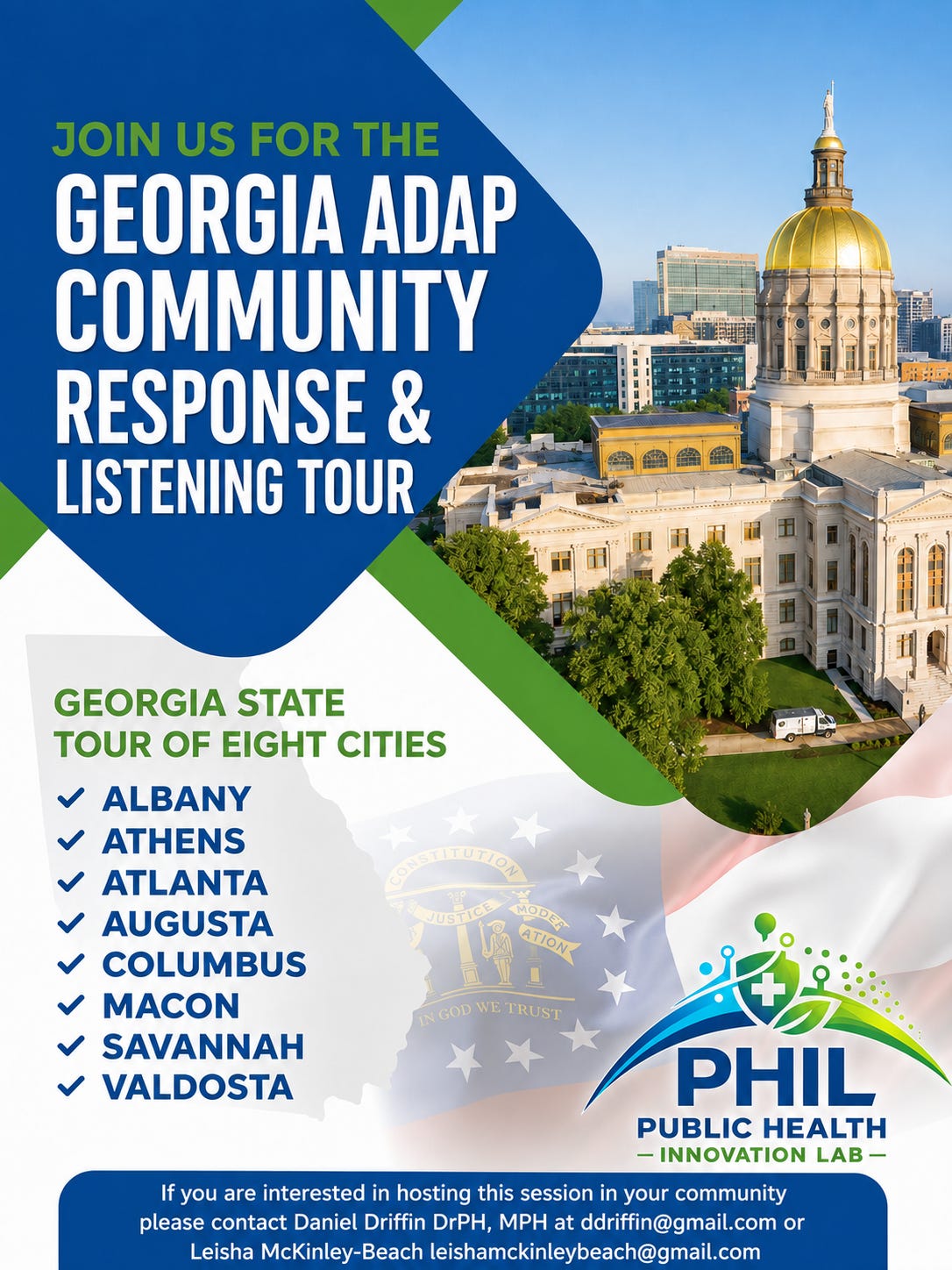
We are launching the Georgia ADAP Community Response and Listening Tour, traveling to Albany, Athens, Atlanta, Augusta, Columbus, Macon, Savannah, and Valdosta.
We are coming to listen, not to defend a system, speak over community, or arrive with every answer already written.
We want to understand what works, what does not work, where enrollment takes place, how people experience recertification, and what must change to ensure uninterrupted access to medication, care, and comprehensive health coverage.
Listening without action is performance.
Listening that changes policies, practices, and pathways is public health.
Community members are not simply recipients of HIV services. They are the architects of the solutions that will carry us forward.